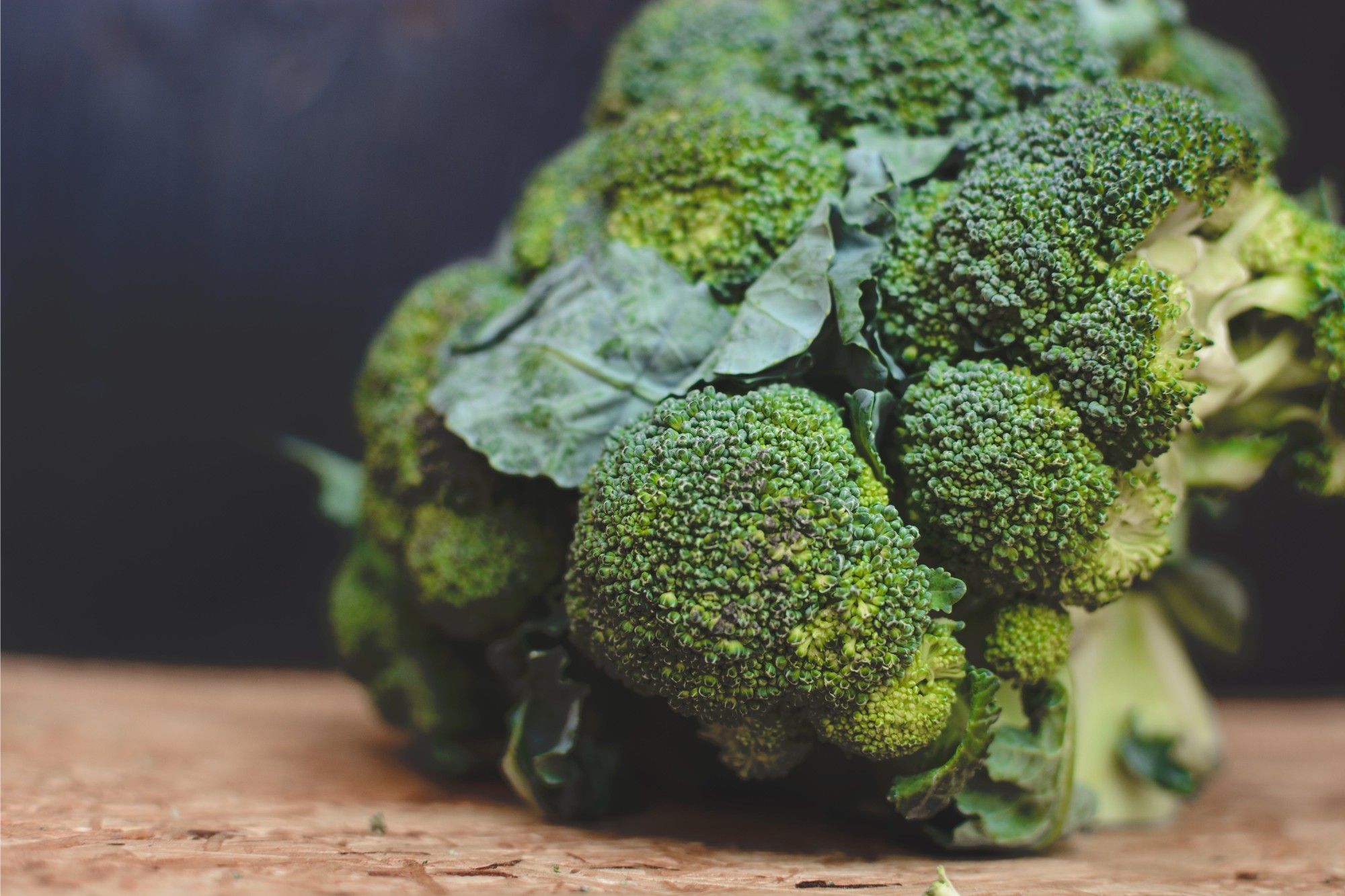
Our response — don’t worry about it! As Dr. Thomas Cowan, MD, the Vice President of the Weston A. Price Foundation has written:
“Because children have a relative paucity of the enzyme that converts B-carotene into vitamin A, children younger than five years generally do not do well with vegetables. I tell all my parents not to worry about their children not liking vegetables, as this is normal in this stage of life. In fact, because they are slow in this enzymatic conversion, perhaps it is best left to the cow to do this conversion and for the child to eat butter and cream. This is actually probably more as nature intended it anyway.”
We are not suggesting that you don’t serve any vegetables to children, but rather not to worry about it if they don’t want to eat them!
The truth of the matter is that animal foods are considerably more nutrient–dense than plant foods. And offal, or organ meats, are amongst the most nutritious, if not the most nutritious foods available to us. We recommend parents include organ meats in their children’s diet from the moment they are introduced to solid foods. Read our article Baby’s First Foods – When and What?!
Nutrient–density is the focus of the third of the Weston A. Price Foundation’s 11 Wise Traditions Dietary Principles. Beef liver is 34x more nutrient-dense than plant foods per the Global Alliance for Improved Nutrition. So you could choose to eat 1 oz of beef liver, pictured below as pâté, or 2 pounds of broccoli. 7 calories of beef liver provide you with ⅓ of the recommended intake of vitamin A, folate, vitamin B12, calcium, iron and zinc for adults.
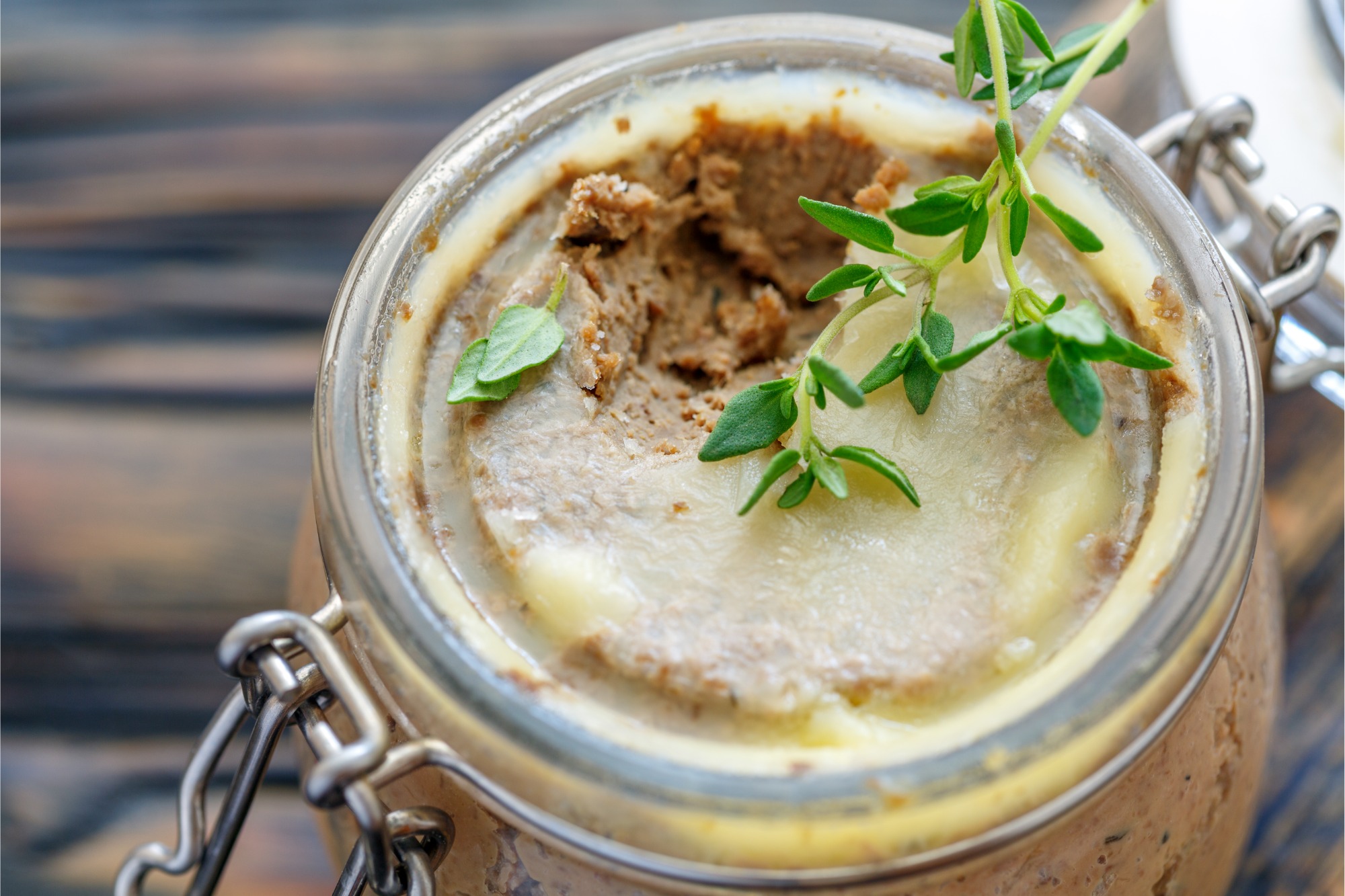
We link to “Priority Micronutrient Density in Foods,” a research article published in March 2022 as well as recipes for beef liver pâté that have been published on the Weston A. Price Foundation’s website. If you and yours don’t enjoy liver, we link to desiccated liver capsules with a 10% coupon on your entire cart at check out. Coupon code is “nourish”. Desiccated liver powder is another option to add to ground meat and hide that way!
Some are concerned about vitamin A toxicity, and we invite you to read the section of this article titled the myth of vitamin A toxicity. Scroll down to see that section once you click on the link! Similarly, some are afraid to eat liver due to a misunderstanding that it stores toxins. Please read the Weston A. Price Foundation’s article The Liver Files which clears that up:
“One of the roles of the liver is to neutralize toxins (such as drugs, chemical agents and poisons); but the liver does not store toxins. Poisonous compounds that the body cannot neutralize and eliminate are likely to lodge in the fatty tissues and the nervous system.”
Is liver a part of your diet?
Discover more from Nourishing Our Children
Subscribe to get the latest posts sent to your email.

Leave a Comment